US plans to raise H-1B wages to match American pay

May 17, Sunday


US plans to raise H-1B wages to match American payHot Buzz

March 27, 2026 12:33
US plans to raise H-1B wages to match American pay

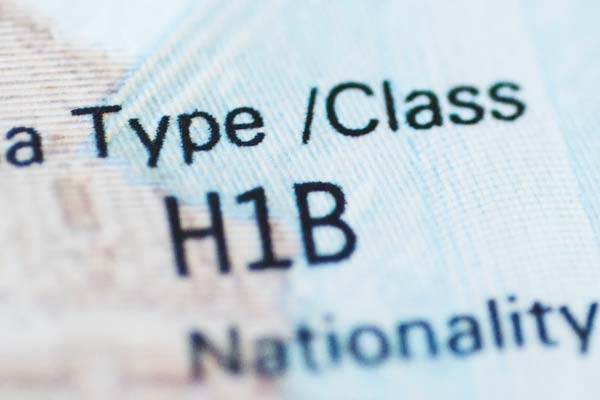
(Image source from: Canva.com)

The Trump administration has suggested new rules requiring American employers to pay much higher salaries to foreign workers holding H-1B visas and certain Green Cards, in an effort to prevent the lowering of American wages, as reported by Bloomberg. This action aims to ensure that foreign employees earn the same as American workers. On Thursday, the US Department of Labour (DOL) published the Notice of Proposed Rulemaking, which modifies the wage levels for professional jobs based on specific fields and local job markets. These updates are aimed at what critics call the misuse of the H-1B program by companies that choose to hire foreign workers at lower rates instead of providing competitive salaries to American employees. While companies claim that H-1B workers fill important skill shortages and receive competitive pay, critics point out instances where staffing agencies use the program for lower-tier jobs at wages below market standards. Major companies utilizing these visas in the fiscal year 2025 include leading technology firms like Amazon, Microsoft, Meta, Google, and IT service providers like Tata Consultancy Services.

This new proposal reflects attempts from the earlier Trump administration to raise minimum wage standards, which encountered legal challenges and were later abandoned under Biden's administration. US Secretary of Labour Lori Chavez-DeRemer publicly supported the proposal in a formal statement. He stated that "this proposed rule will help guarantee that employers pay foreign workers salaries that truly represent the market value of their work, as well as safeguard the wages and job prospects of American citizens. The ongoing misuse of the H-1B program by certain bad actors will not be accepted anymore," according to Bloomberg. The US Department of Labour now classifies jobs into four pay levels based on employee duties and experience. These levels are determined using data from the Bureau of Labour Statistics (BLS). Employers are required to offer at least the "prevailing wage" for the specific role and area to receive approval for an H-1B visa or a Green Card through the PERM process.

According to the proposed changes, these wage levels would rise as follows:

Wage Level I (starting level): from the 17th to the 34th percentile
Wage Level II: from the 34th to the 52nd percentile
Wage Level III: from the 50th to the 70th percentile
Wage Level IV (highest experience): from the 67th to the 88th percentile.

For jobs at the entry level (Wage Level I), this update is likely to boost pay by roughly 18% compared to previous years. The new, higher pay rules will apply to both H-1B visas and Green Card applications (EB-2 and EB-3). In 2024, over 57% of Green Card applications came from workers who were already on H-1B visas, indicating a strong link between the two programs.

If approved, this regulation would build on recent changes to the H-1B program. Since last fall, the Department of Homeland Security has modified the yearly lottery for the 85,000 visas subject to caps to benefit workers who earn higher wages and have more experience. The administration introduced a fee of $100,000 for some new H-1B hires coming from outside the US and replaced the random lottery system with a new method that gives priority to higher-paid and more experienced applicants. Collectively, these actions aim to guide the program toward truly specialized, high-value jobs and create higher hurdles for lower-wage or entry-level sponsorships, according to Bloomberg. The Bloomberg report notes that supporters of these changes, such as the Trump administration and advocates for workers’ rights, believe these are essential protections for the US job market. They suggest that these changes will help prevent the lowering of wages and the displacement of American workers by ensuring that immigration options do not favor cheaper labor from abroad.

Critics from the business sector, especially in technology, argue that such increases could worsen talent shortages in STEM fields, raise costs of doing business, and slow down advancements in competitive global markets. Organizations like the US Chamber of Commerce have historically opposed similar wage increases and associated measures (like the $100,000 fee), warning that they might push companies to move jobs overseas or limit their growth. A rise in salaries for H-1B workers could also mean they are priced out of sectors such as education and healthcare, which have increasingly relied on skilled foreign workers to fill gaps left by skilled American professionals.

If you enjoyed this Post, Sign up for Newsletter

(And get daily dose of political, entertainment news straight to your inbox)

Rate This Article
(0 votes)
Tagged Under :
USA H-1B wages  H-1B Visas  
US plans to raise H-1B wages to match American pay | USA H-1B wages News

US plans to raise H-1B wages to match American pay

May 17, Sunday


US plans to raise H-1B wages to match American payHot Buzz

March 27, 2026 12:33
US plans to raise H-1B wages to match American pay

(Image source from: Canva.com)

The Trump administration has suggested new rules requiring American employers to pay much higher salaries to foreign workers holding H-1B visas and certain Green Cards, in an effort to prevent the lowering of American wages, as reported by Bloomberg. This action aims to ensure that foreign employees earn the same as American workers. On Thursday, the US Department of Labour (DOL) published the Notice of Proposed Rulemaking, which modifies the wage levels for professional jobs based on specific fields and local job markets. These updates are aimed at what critics call the misuse of the H-1B program by companies that choose to hire foreign workers at lower rates instead of providing competitive salaries to American employees. While companies claim that H-1B workers fill important skill shortages and receive competitive pay, critics point out instances where staffing agencies use the program for lower-tier jobs at wages below market standards. Major companies utilizing these visas in the fiscal year 2025 include leading technology firms like Amazon, Microsoft, Meta, Google, and IT service providers like Tata Consultancy Services.

This new proposal reflects attempts from the earlier Trump administration to raise minimum wage standards, which encountered legal challenges and were later abandoned under Biden's administration. US Secretary of Labour Lori Chavez-DeRemer publicly supported the proposal in a formal statement. He stated that "this proposed rule will help guarantee that employers pay foreign workers salaries that truly represent the market value of their work, as well as safeguard the wages and job prospects of American citizens. The ongoing misuse of the H-1B program by certain bad actors will not be accepted anymore," according to Bloomberg. The US Department of Labour now classifies jobs into four pay levels based on employee duties and experience. These levels are determined using data from the Bureau of Labour Statistics (BLS). Employers are required to offer at least the "prevailing wage" for the specific role and area to receive approval for an H-1B visa or a Green Card through the PERM process.

According to the proposed changes, these wage levels would rise as follows:

Wage Level I (starting level): from the 17th to the 34th percentile
Wage Level II: from the 34th to the 52nd percentile
Wage Level III: from the 50th to the 70th percentile
Wage Level IV (highest experience): from the 67th to the 88th percentile.

For jobs at the entry level (Wage Level I), this update is likely to boost pay by roughly 18% compared to previous years. The new, higher pay rules will apply to both H-1B visas and Green Card applications (EB-2 and EB-3). In 2024, over 57% of Green Card applications came from workers who were already on H-1B visas, indicating a strong link between the two programs.

If approved, this regulation would build on recent changes to the H-1B program. Since last fall, the Department of Homeland Security has modified the yearly lottery for the 85,000 visas subject to caps to benefit workers who earn higher wages and have more experience. The administration introduced a fee of $100,000 for some new H-1B hires coming from outside the US and replaced the random lottery system with a new method that gives priority to higher-paid and more experienced applicants. Collectively, these actions aim to guide the program toward truly specialized, high-value jobs and create higher hurdles for lower-wage or entry-level sponsorships, according to Bloomberg. The Bloomberg report notes that supporters of these changes, such as the Trump administration and advocates for workers’ rights, believe these are essential protections for the US job market. They suggest that these changes will help prevent the lowering of wages and the displacement of American workers by ensuring that immigration options do not favor cheaper labor from abroad.

Critics from the business sector, especially in technology, argue that such increases could worsen talent shortages in STEM fields, raise costs of doing business, and slow down advancements in competitive global markets. Organizations like the US Chamber of Commerce have historically opposed similar wage increases and associated measures (like the $100,000 fee), warning that they might push companies to move jobs overseas or limit their growth. A rise in salaries for H-1B workers could also mean they are priced out of sectors such as education and healthcare, which have increasingly relied on skilled foreign workers to fill gaps left by skilled American professionals.

If you enjoyed this Post, Sign up for Newsletter

(And get daily dose of political, entertainment news straight to your inbox)

Rate This Article
(0 votes)
Tagged Under :
USA H-1B wages  H-1B Visas