India loses Visa-Free Entry to Two Countries in 2026

Feb 26, Thursday


India loses Visa-Free Entry to Two Countries in 2026Top Stories

February 14, 2026 10:32
India loses Visa-Free Entry to Two Countries in 2026

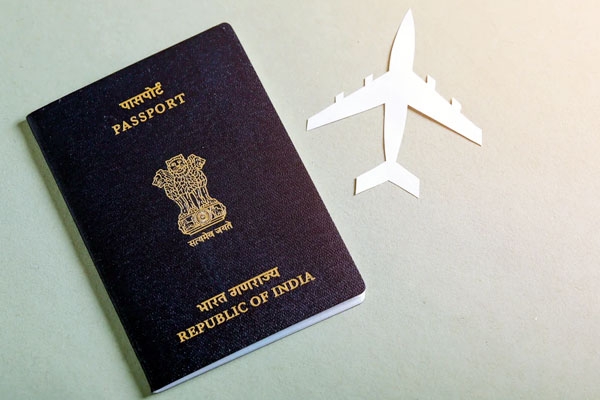
(Image source from: Canva.com)

The newest version of the Henley Passport Index has been released, and it shows an interesting update for India. On the surface, it seems like the country's ability to travel has gotten better. However, when looking at the actual figures, Indian passport owners can go to a few less places without needing to arrange papers ahead of time compared to the previous year. India’s rank has improved to 75th in 2026 from 85th in 2025, showing a notable rise of 10 positions.

At the beginning of this year, India was in 80th place, making this recent rise in rank even more surprising within just a month. Right now, Indian passport holders can enter 56 countries without a visa beforehand. This is an improvement from 55 in January 2026, but it is still down from 57 countries that were available in 2025. This means that India has climbed the global rankings despite losing the chance to enter two nations without a visa. So, how can a passport's rank go up while having fewer places to visit? To find out, we need to examine what the Henley Index actually measures.

The Henley Passport Index, published by Henley & Partners, evaluates 199 passports concerning 227 travel locations based on how many places can be visited without a visa before traveling. The ranking uses information from the International Air Transport Association and takes into account visa-free entries, visas that can be obtained upon arrival, and electronic travel approvals in its scoring system. In simple terms, the more destinations a passport holder can reach without prior paperwork, the better their passport’s mobility score. In 2025, holders of the Indian passport could go to 57 places without needing a visa (this includes those that allow visas on arrival and electronic travel approval). By early 2026, that number fell to 55 (on January 26) before rising to 56 (in February 2026). The two countries that caused the reduction were Iran and Bolivia. Iran stopped allowing regular Indian passport owners to enter without a visa in November 2025. This change was made after multiple cases of fraud and trafficking emerged, where Indian citizens were reportedly tricked into going to Iran with fake job offers and were then held for ransom.

People were misled into going to Iran by using the visa exemption available for regular Indian passport holders. Upon reaching Iran, many were taken hostage for ransom, according to a statement from India's Ministry of External Affairs made in November of the previous year. The statement noted that due to these occurrences, Iran has stopped the visa exemption for regular Indian passport holders traveling there. From late November, Indian travelers had to get a visa beforehand. Because the Henley index only includes places that don't need prior authorization, Iran no longer met the criteria.

Bolivia's situation is different. In 2025, Indian nationals could get a visa upon arrival, which did not require any advance paperwork and was scored favorably in the index. By 2026, Bolivia changed the process for Indian travelers to an e-visa system. Now, applicants must apply online, submit documents, and get permission before they leave. Since this system needs prior approval, it is no longer seen as "visa-free" in the index. This change meant Bolivia was removed from the list of accessible countries for India.

The timeline within 2026 shows changes as well. The January 2026 list showed a total of 55 reachable countries after Iran and Bolivia were removed. But by February 2026, The Gambia was added back to the list, bringing the total to 56. This addition partially balanced the earlier losses, but did not bring back the previous total of 57 from 2025. Even though India's visa-free score decreased a bit, its passport ranking improved because the index functions like a competition. It's not just about your specific score; it’s about how you compare to others. Imagine it like a race. India slowed down slightly, losing access to Iran and Bolivia, falling from 57 destinations in 2025 to 55 in early 2026. However, many other nations also changed their visa rules, with some losing more than India. When the final standings were arranged, India moved up in the rankings. This is because the Henley & Partners index ranks passports in relation to one another. It assesses 199 passports against 227 destinations worldwide using information from the International Air Transport Association.


If you enjoyed this Post, Sign up for Newsletter

(And get daily dose of political, entertainment news straight to your inbox)

Rate This Article
(0 votes)
India loses Visa-Free Entry to Two Countries in 2026 | Visa-Free Entry for Indians News

India loses Visa-Free Entry to Two Countries in 2026

Feb 26, Thursday


India loses Visa-Free Entry to Two Countries in 2026Top Stories

February 14, 2026 10:32
India loses Visa-Free Entry to Two Countries in 2026

(Image source from: Canva.com)

The newest version of the Henley Passport Index has been released, and it shows an interesting update for India. On the surface, it seems like the country's ability to travel has gotten better. However, when looking at the actual figures, Indian passport owners can go to a few less places without needing to arrange papers ahead of time compared to the previous year. India’s rank has improved to 75th in 2026 from 85th in 2025, showing a notable rise of 10 positions.

At the beginning of this year, India was in 80th place, making this recent rise in rank even more surprising within just a month. Right now, Indian passport holders can enter 56 countries without a visa beforehand. This is an improvement from 55 in January 2026, but it is still down from 57 countries that were available in 2025. This means that India has climbed the global rankings despite losing the chance to enter two nations without a visa. So, how can a passport's rank go up while having fewer places to visit? To find out, we need to examine what the Henley Index actually measures.

The Henley Passport Index, published by Henley & Partners, evaluates 199 passports concerning 227 travel locations based on how many places can be visited without a visa before traveling. The ranking uses information from the International Air Transport Association and takes into account visa-free entries, visas that can be obtained upon arrival, and electronic travel approvals in its scoring system. In simple terms, the more destinations a passport holder can reach without prior paperwork, the better their passport’s mobility score. In 2025, holders of the Indian passport could go to 57 places without needing a visa (this includes those that allow visas on arrival and electronic travel approval). By early 2026, that number fell to 55 (on January 26) before rising to 56 (in February 2026). The two countries that caused the reduction were Iran and Bolivia. Iran stopped allowing regular Indian passport owners to enter without a visa in November 2025. This change was made after multiple cases of fraud and trafficking emerged, where Indian citizens were reportedly tricked into going to Iran with fake job offers and were then held for ransom.

People were misled into going to Iran by using the visa exemption available for regular Indian passport holders. Upon reaching Iran, many were taken hostage for ransom, according to a statement from India's Ministry of External Affairs made in November of the previous year. The statement noted that due to these occurrences, Iran has stopped the visa exemption for regular Indian passport holders traveling there. From late November, Indian travelers had to get a visa beforehand. Because the Henley index only includes places that don't need prior authorization, Iran no longer met the criteria.

Bolivia's situation is different. In 2025, Indian nationals could get a visa upon arrival, which did not require any advance paperwork and was scored favorably in the index. By 2026, Bolivia changed the process for Indian travelers to an e-visa system. Now, applicants must apply online, submit documents, and get permission before they leave. Since this system needs prior approval, it is no longer seen as "visa-free" in the index. This change meant Bolivia was removed from the list of accessible countries for India.

The timeline within 2026 shows changes as well. The January 2026 list showed a total of 55 reachable countries after Iran and Bolivia were removed. But by February 2026, The Gambia was added back to the list, bringing the total to 56. This addition partially balanced the earlier losses, but did not bring back the previous total of 57 from 2025. Even though India's visa-free score decreased a bit, its passport ranking improved because the index functions like a competition. It's not just about your specific score; it’s about how you compare to others. Imagine it like a race. India slowed down slightly, losing access to Iran and Bolivia, falling from 57 destinations in 2025 to 55 in early 2026. However, many other nations also changed their visa rules, with some losing more than India. When the final standings were arranged, India moved up in the rankings. This is because the Henley & Partners index ranks passports in relation to one another. It assesses 199 passports against 227 destinations worldwide using information from the International Air Transport Association.

If you enjoyed this Post, Sign up for Newsletter

(And get daily dose of political, entertainment news straight to your inbox)

Rate This Article
(0 votes)